World
Government Increases Petrol Prices Amid Global Fuel Instability
The government raised petrol prices by Rs3.26 per litre and reduced high-speed diesel rates by Rs1.01 per litre, while UK diesel prices soar to record highs of £2 per litre.
The government announced an increase in petrol prices on Thursday, raising them by Rs3.26 per litre to a new retail price of Rs390.66 per litre. In contrast, the cost of high-speed diesel (HSD) has been reduced by Rs1.01, bringing it to Rs399.34 per litre. This was confirmed in a notification from the Petroleum Division, stating that the revised prices will take effect from October 2 (Friday).
Despite the adjustments, the government continues to impose significant taxes and duties on fuel; Rs114 per litre on petrol and Rs100 per litre on diesel. This ongoing taxation reflects the government's revenue strategy amid fluctuating global oil prices.
In parallel, diesel prices in the UK have reached an unprecedented level of £2 per litre. Reports indicate that this marks a significant increase, as the average price for diesel has risen 40.5% since late February. The increase in prices is attributed to disruptions caused by global events, particularly the US-Israel war on Iran, which has affected crude oil and refined product supplies from the Gulf region.
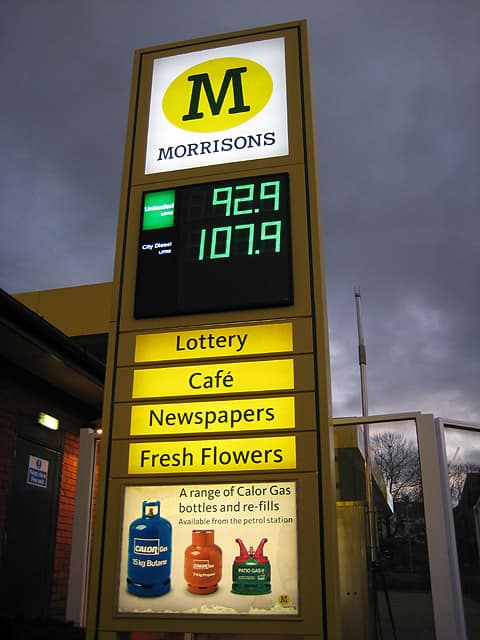

Several reports from UK sources highlight the rising costs at the pump for British motorists, indicating increased financial pressure as fuel prices spike. The rising costs are concerning for consumers, with reports of families feeling the impact on their daily expenses including food bills.
Additionally, the increasing diesel prices have prompted suggestions from France that EU nations and the International Energy Agency (IEA) consider releasing oil from reserves in response to the growing costs. These discussions emphasize the interconnectedness of global fuel prices and domestic economic impacts.
In India, Nayara Energy has also raised fuel prices, with petrol now costing Rs5 more per litre and diesel up by Rs3. This hike is seen as a reaction to rising international crude oil prices, despite state-owned retailers maintaining steady rates for a longer period. This suggests a trend where private retailers are adjusting to global market fluctuations more rapidly than state-controlled entities.