World
Government Reduces Diesel Price by Rs32.63 but Raises Petrol Price by Rs2.97
The government has lowered diesel prices while increasing petrol costs, effective August 20.

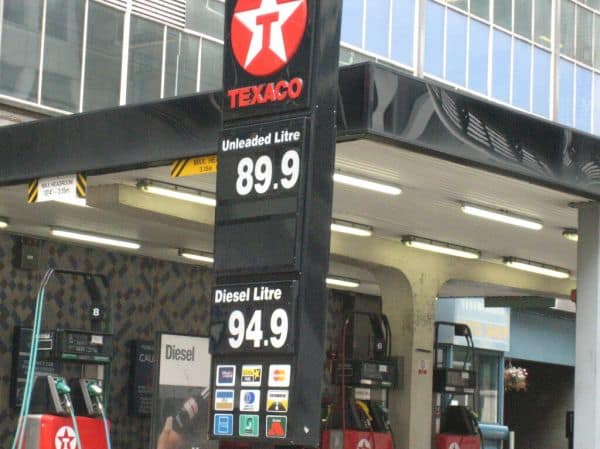
The government announced a reduction in the price of high-speed diesel (HSD) by Rs32.63 per litre, effective from August 20. Following this change, the cost of HSD will be Rs363.06 per litre. Alongside this decrease, the price of petrol has been increased by Rs2.97 per litre, which will now be sold at Rs337.51 per litre.
The announcement came after discussions with petroleum refineries, during which the Petroleum Minister Ali Pervez Malik addressed the media. He described the reduction in diesel prices as 'significant' and attributed it to successful negotiations with the oil refineries. This announcement marks a shift as diesel prices have risen in recent months amid escalating global petroleum prices due to various international factors.
In addition to these changes, the government continues to impose taxes and duties on fuel. Specifically, there is a tax of Rs114 per litre on petrol and Rs100 per litre on diesel, according to the Petroleum Division's notification associated with the new rates.
Despite the overall reduction in diesel prices, some reports indicate a discrepancy, as another source noted a smaller increase in petrol prices, suggesting a recent revision may affect future pricing scenarios. However, this latest revision will take effect on August 20 as stated in the official notification.
This adjustment in fuel pricing affects consumers directly, as the transportation and logistics sectors closely follow these changes to plan their operating costs. These sectors are particularly sensitive to fluctuations in fuel prices, which can impact pricing for goods and services in the market.
Overall, this adjustment reflects a continuing trend of volatility in fuel pricing influenced by international market conditions and domestic negotiations. The government has not provided comments on how these changes might evolve in the future, leaving the market to respond to these latest figures.