Panorama
Israeli voters choose direction between Netanyahu and Eisenkot
Israel votes Tuesday for a new parliament in the first election since Hamas's October 2023 attack and the ensuing war in Gaza.
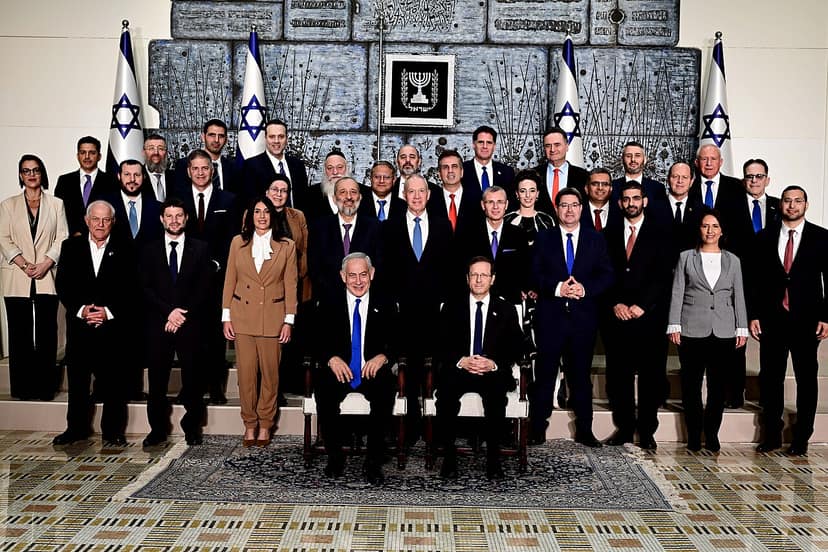

Polling stations in Israel opened Tuesday for Knesset parliamentary elections, the first vote since Hamas's terror attack on October 7, 2023, and the subsequent military operation in Gaza. Prime Minister Benjamin Netanyahu is fighting for his political survival against former military chief Gadi Eisenkot of the Yashar party, among others.
The election is described by observers as historic and among the most significant in Israel's history. The central question is whether Netanyahu remains in power or gives way to different leadership. Experts say the outcome is unpredictable.
With just over 55 percent of votes counted, preliminary tallies showed a lead for the pro-Netanyahu bloc. According to the Central Elections Commission, Netanyahu's Likud party would secure 27 seats. Combined with allied parties, his bloc would provisionally reach 56 seats against 49 for the anti-Netanyahu bloc.
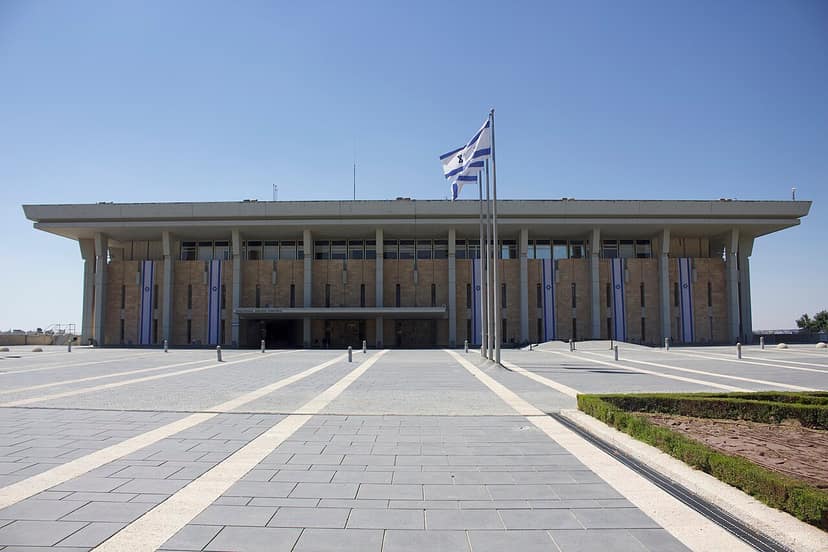

Other sources reported Netanyahu's bloc at 55 seats based on preliminary results, compared with 50 for Eisenkot. The gap between the two blocs stood provisionally at seven seats according to the first report, but counting was incomplete and the situation remained tight.
Eisenkot is characterized as a former general with a more moderate approach than Netanyahu. Yet Palestinian observers expect no substantial policy shift regardless of which candidate wins, suggesting that foreign policy will remain unchanged whatever the outcome.
The election has drawn attention for the political crisis and implications of the war. The result will determine the composition of parliament and the direction of Israeli policy in the coming period.