World
UN Reports on Managing Reality of 1.5°C Temperature Overshoot
The UN emphasizes the need for effective governance to address temperature rises beyond 1.5°C, acknowledging that current plans are inadequate.

The United Nations has issued a report emphasizing the necessity of adapting to the reality of global temperatures surpassing the 1.5°C target. Debra Roberts, a climate scientist and co-author of the report, highlighted the need for a rethink in climate governance as existing strategies are not designed to handle a trajectory that exceeds this limit.
According to the UN, the challenge has now shifted from merely avoiding a temperature overshoot to effectively navigating the consequences of such an occurrence. This acknowledgment aligns with comments from UN Secretary-General Antonio Guterres last year, who indicated that exceeding the 1.5°C threshold was inevitable.
This report marks the first instance in which a UN agency has directly addressed the issue of climate overshoot. It provides insights on how to minimize the impacts once the 1.5°C milestone is breached, which underscores a significant shift in the UN's approach to climate strategy.
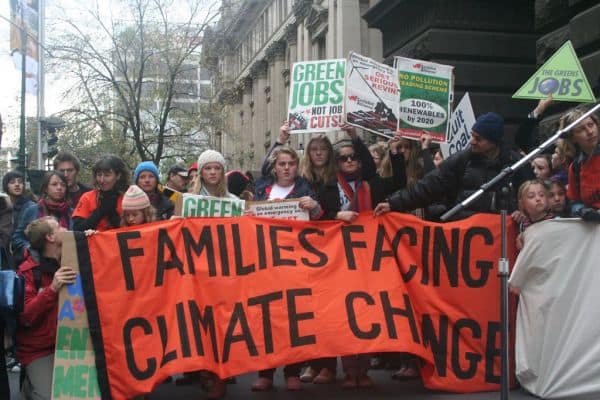
UN representatives stressed that the world needs to prepare for a temporary warming above 1.5°C, as current climate plans are increasingly becoming inadequate in light of ongoing emissions and climate change effects.
Roberts pointed out that the necessary adjustments in governance are critical for effectively managing the new reality that climate changes present. This includes preparing for potential strategies to restore temperatures back to the 1.5°C target after surpassing it.
The report serves as a crucial reminder that proactive measures are essential for dealing with the ensuing challenges to biodiversity, ecosystems, and human societies caused by climate change. Each highlighted point underlines the urgency for policy changes and innovative approaches to mitigate the impacts of global warming.