World
US Supreme Court Begins New Term with Major Climate Change Case
The Supreme Court kicks off its new term, hearing arguments from energy companies seeking to block climate lawsuits from local governments.

The US Supreme Court commenced its new nine-month term on Monday, hearing significant arguments related to climate change among other pressing issues. A central case involves energy companies ExxonMobil and Suncor Energy, which are attempting to block lawsuits brought by local governments in Colorado, particularly Boulder County, over damages linked to climate change.
Local officials from Boulder are suing the oil companies, claiming accountability for the effects of their fossil fuel operations on the climate crisis. The court's session included nearly two hours of oral arguments, with justices grappling with the implications of allowing local governments to hold energy firms responsible for climate-related damages.
According to reports, eight of the nine justices participated in the initial hearing, indicating a high level of interest in the case. Legal experts noted the potential challenges the court may face in rendering a decision that could set a precedent on the matter of climate accountability for corporations.
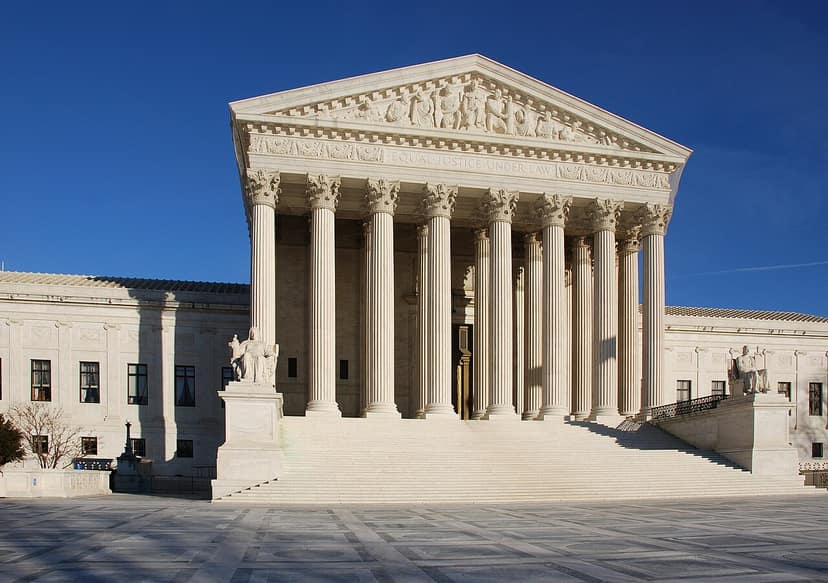

The Supreme Court's decision on this case could have far-reaching effects on how similar lawsuits are pursued by local and state entities across the United States. In addition, the court is also set to address other significant issues, including immigration and gun rights, during this term.
Parallel to the climate change case, some justices have expressed uncertainty about how they will lean in their deliberations. Opinions differ on whether the court will favor the oil companies' request to halt the lawsuits, given their implications for local governance and environmental responsibility.
The outcome of this case could shape the landscape of legal accountability for climate change as municipalities increasingly look to challenge major fossil fuel producers. As the term progresses, monitoring the court’s stance on these issues will be crucial for understanding future regulatory frameworks and environmental litigation.