World
Apple CEO Ternus Faces First Earnings Challenge Amid Rising Memory Costs
Apple's latest earnings report reveals strong revenue, but rising memory chip prices raise concerns about future profitability.
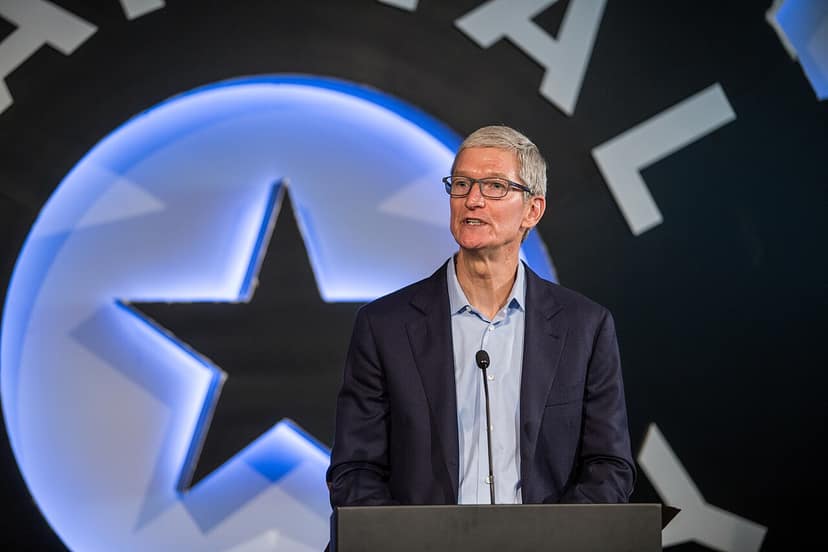

Apple Inc. has released its fiscal fourth quarter earnings report, marking the first such release for new CEO John Ternus, who took over in September. The company's revenue for Q4 2026 reached $114.5 billion, exceeding analysts' expectations. Sales for the iPhone increased by 17 percent, totaling $57.58 billion, while Mac sales also saw a record performance.
Despite the positive revenue figures, Apple has warned investors about an unprecedented rise in memory chip prices. The company indicated that these increased costs are expected to negatively impact profit margins, with projections for gross margins in the holiday quarter estimated between 45 to 46 percent. This development raises significant concerns about the sustainability of future profit growth.
Apple has attributed some of the impact of rising memory costs to its recent decision to raise prices on certain products. It reported that this adjustment has somewhat mitigated the financial strain brought about by the climbing chip costs. However, investors remain focused on how these issues may affect the company's upcoming holiday-quarter outlook.


Additionally, Apple’s inventory surged by 154 percent, reaching $14.5 billion. This accumulation raises questions about future device pricing and inventory management amid the rising material costs. Observers are keen to see how Ternus will navigate these challenges in his new role.
Investor sentiment appeared to react negatively to the earnings report, with shares falling in after-hours trading. Concerns over memory costs and supply tightness for the new iPhone Duo were notably highlighted, particularly in light of recent issues related to the device's durability.
Overall, Ternus's first earnings report presents a mixed picture for Apple, capturing strong revenue performance alongside serious challenges stemming from increased memory chip prices and inventory management. The company continues to face scrutiny over its strategic decisions as it plans for the future.