World
Milei criticizes Lula and supports Flávio Bolsonaro ahead of Brazilian elections
Argentine President Javier Milei renewed his criticism of Lula and support for Flávio Bolsonaro just days before the Brazilian elections.

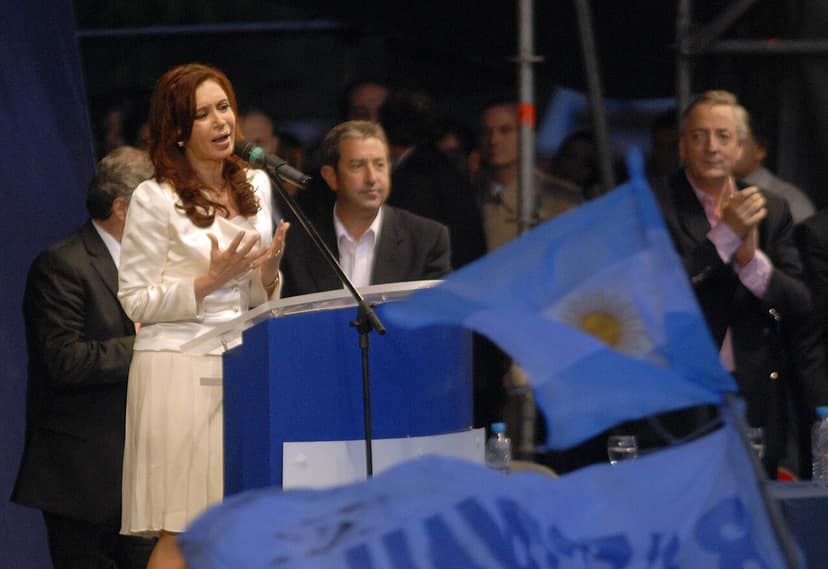
The President of Argentina, Javier Milei, has once again criticized Brazilian leader Luiz Inácio Lula da Silva and expressed his support for Senator Flávio Bolsonaro in the context of the presidential elections in Brazil, scheduled for this Sunday, October 4. Milei's statements were made in an interview with the French magazine Le Point, where he commented on the political situation in Brazil.
Milei, who traveled to France in search of investments, has indicated that his support for Flávio Bolsonaro, the son of former president Jair Bolsonaro, aims to strengthen ties between Argentina and Brazil. His attacks on Lula, on the other hand, seem to be motivated by ideological and political differences between the two leaders.
The electoral contest in Brazil is shaping up to be one of the most fiercely contested in the country's recent history. According to recent polls, Lula and Flávio Bolsonaro are in a very tight race, with Lula slightly leading in the surveys but still far from a decisive victory. In this context, both candidates have intensified their campaigns and attacks in the days leading up to the vote.

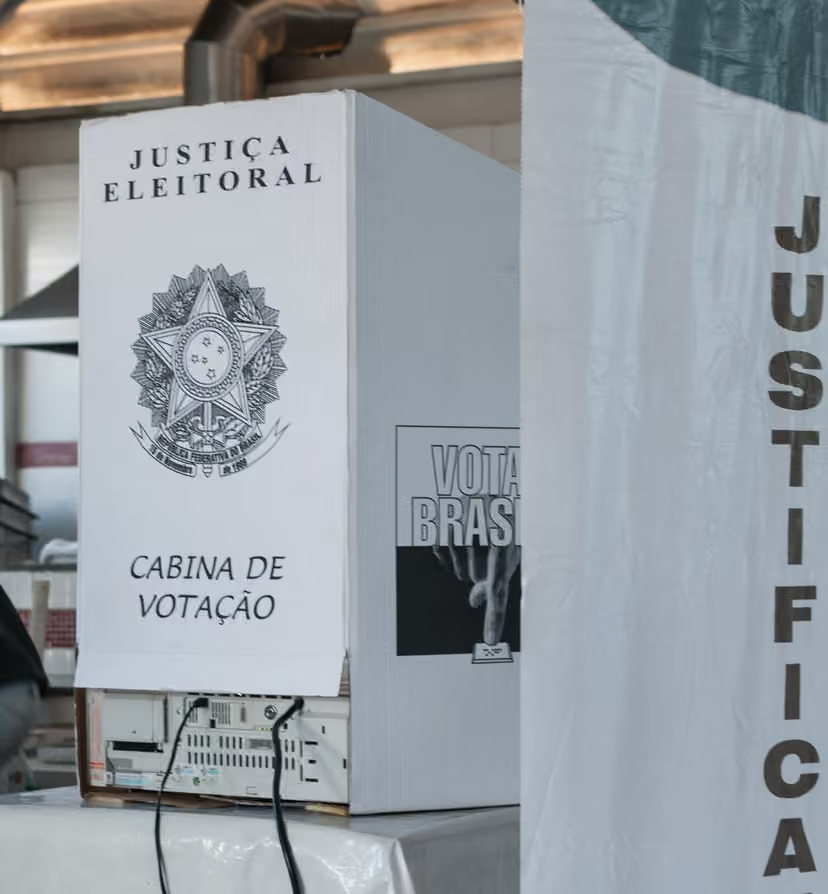
Additionally, it has been reported that more than 158 million voters are eligible to participate in these elections, which encompass not only the presidency but also elections for Congress and state governments. The voting is expected to be marked by high polarization.
On the other hand, Milei has toned down the intensity of his attacks on Lula in this final stage of the campaign, although he has maintained his critical stance. This occurs at a time when Lula and Flávio Bolsonaro are also wrapping up their own campaigns, seeking to attract as many voters as possible in a climate of intense competition.
Voter turnout expectations are high, but concerns about possible abstention have also been noted. The political situation in Brazil is being closely monitored both nationally and internationally, given that the environmental, economic, and social policies of the candidates present significant divergences. The future of these policies will be decisive, not only for Brazil but also for the region as a whole.