World
Senate begins voting on the bill to abolish the 6x1 work schedule
The Federal Senate has commenced voting on PEC 221/2019, which eliminates the 6x1 work schedule and establishes two paid days off per week.

_(cropped).jpg)
On Wednesday (14), the Federal Senate began voting on Proposed Amendment to the Constitution (PEC) 221/2019, which aims to end the 6x1 work schedule. This proposal seeks to reduce the maximum working hours from 44 to 40 hours per week and guarantees two paid days off each week, without a salary reduction. The PEC had already been approved by the Chamber of Deputies and received a favorable opinion from the Senate’s Committee on Constitution and Justice.
The government leader, Senator Teresa Leitão (PT-PE), secured the 54 signatures needed to request voting in two rounds on the same day. The Senate President, Davi Alcolumbre (União-AP), confirmed that the request to expedite the process would be voted on during the session.
The text underwent five discussion sessions prior to the vote, with three of these sessions occurring earlier and the last two taking place on the same day as the vote. The proposal has sparked significant debate between government supporters and the opposition, the latter seeking to prevent its enactment before the second round of the presidential elections, scheduled for October 25.
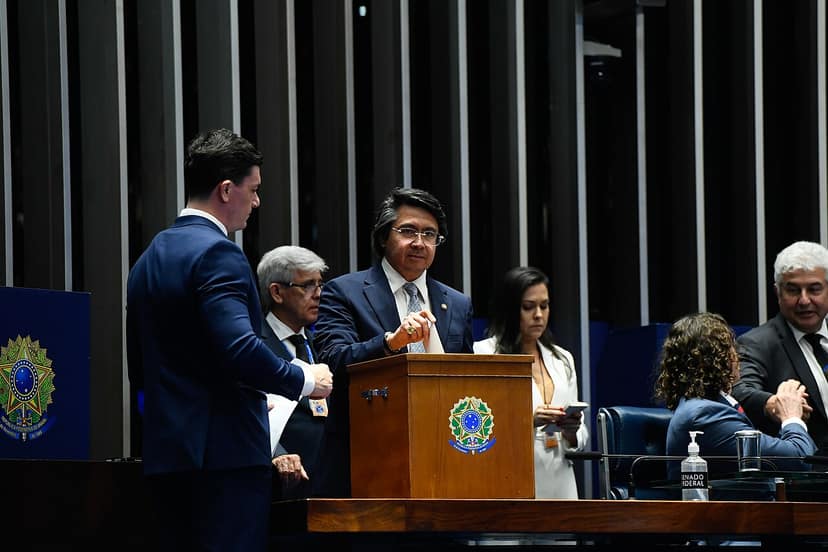
.jpg)
The vote on the PEC is considered one of the key tests for the government, especially given that the measure is one of the current administration's electoral platforms. Approval of the proposal in the Senate is seen as a strategic action during a crucial political moment, in light of the upcoming elections.
If approved, the PEC will proceed for enactment by the National Congress. The outcome of the vote will have a direct impact on labor legislation and could alter the working conditions for many Brazilian citizens, as discussed in previous sessions.
The expectation of voting on both the first and second rounds on the same day underscores the urgency the government attributes to the approval of the measure, reflecting an effort to solidify the promises made during the campaign.