World
Brazil reports primary surplus of R$ 1.4 billion in July; debt reaches 82.5% of GDP
In July, Brazil recorded a primary surplus of R$ 1.4 billion, while public debt rose to 82.5% of GDP, according to data from the Central Bank.
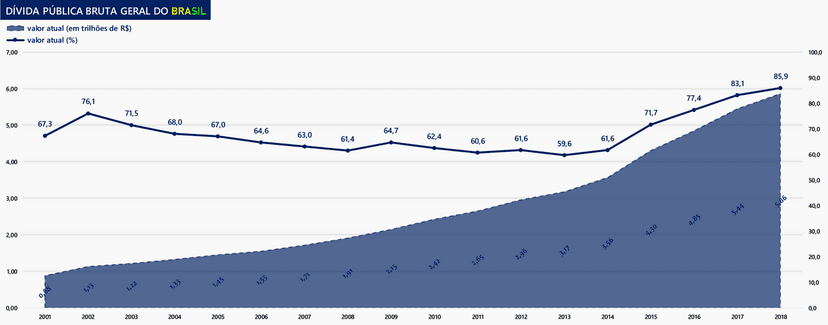

According to the Central Bank, the consolidated public sector accounts showed a primary surplus of R$ 1.4 billion in July. This surplus occurs when revenues from taxes and levies exceed government expenditures. The result encompasses the federal government, states, municipalities, and state-owned enterprises, excluding interest payments on public debt.
In addition to the primary surplus, Brazil’s public debt reached 82.5% of GDP in July this year. This is the highest level recorded since April 2021, according to data released on July 31 by the Central Bank. The increase in the debt-to-GDP ratio indicates a growth in public sector indebtedness, which includes the federal government and social security, as well as states and municipalities.
The data shows that from June to July, public sector indebtedness grew by more than R$ 100 billion. This increase contrasts with the previous situation where spending containment measures were in effect. The rise in debt follows a period in which the government increased its spending to address the Covid-19 pandemic.
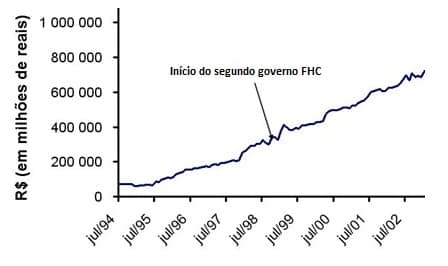

This rise in public debt recorded in July occurs against a backdrop of increasing pressure on public accounts, as the government seeks other ways to balance finances. The primary surplus is one of these strategies to control the country’s fiscal situation.
Analyses of Brazil's fiscal situation reveal that economic management is entering a new chapter, with the need to balance spending and investments, especially in a challenging economic environment. Experts comment that the increase in public debt may influence future spending and investment policies.
The data on the primary surplus and public debt are significant for understanding the fiscal health of the country and will influence discussions about Brazil's economic policy in the coming months.